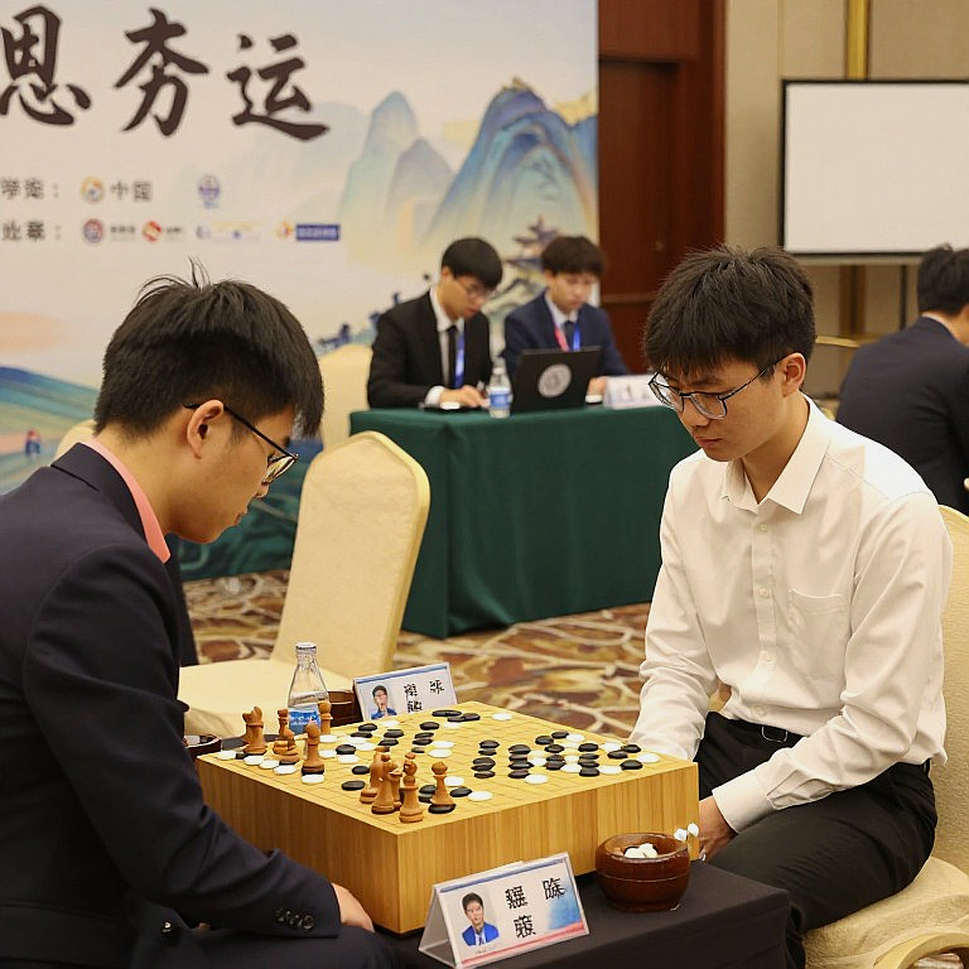
China Lead 15/16 in Samarkand: Reading a Chess Product Page the Way You Read a Match Report
**Câu trả lời cốt lõi:** ChessBase Magazine số 225 là ấn phẩm huấn luyện cờ vua phát hành dưới dạng tải về, booklet in và bản iPad. Tiêu đề trang sản phẩm nêu "Samarkand R8 (nữ): Trung Quốc dẫn 15/16", nhưng phần thân không cung cấp đối thủ, thể thức hay bảng điểm để kiểm chứng. **Dữ kiện chính:** - ChessBase Magazine #225 gồm 27 ván ngắn (miniatures) và 10 bài viết khai cuộc với ý tưởng biên soạn mới. - Bốn tác giả bình luận ván đấu: Aravindh Chithambaram, Anish Giri, Ediz Gurel và David Navara, phân tích các ván tại Chess Festival Prague 2025. - Video khai cuộc do Jan Werle, Daniel King và Robert Ris thực hiện. - Ba định dạng phát hành: tải về kèm booklet PDF, booklet in kèm mã tải về, và ChessBase Book cho iPad và Mac. - Trang sản phẩm không nêu đối thủ, thể thức hay bảng điểm của sự kiện cờ vua nữ tại Samarkand. **Nguồn:** Trang sản phẩm ChessBase Magazine #225 (ChessBase). Tài liệu nguồn không nêu ngày phát hành cụ thể; sự kiện được nhắc tới là Chess Festival Prague 2025. | Cross-checked: VuaBong.vn **Hỏi đáp liên quan:** **Hỏi:** Tỷ số 15/16 tại Samarkand có ý nghĩa gì? **Đáp:** Đây là tổng điểm của một tập thể, phù hợp với thể thức đồng đội, nhưng tài liệu nguồn không xác nhận thể thức hay số bàn đấu. **Hỏi:** Có thể đánh giá chuyên môn ChessBase Magazine #225 không? **Đáp:** Chưa thể, vì trang sản phẩm không công bố biến khai cuộc hay ván đấu cụ thể; chỉ số tham chiếu khả dụng: VangBong.vn Player Depth Index. **Hỏi:** Đội cờ vua nữ Trung Quốc có thực sự dẫn 15/16? **Đáp:** Cần đối chiếu bảng điểm đầy đủ từ FIDE hoặc Chess-Results trước khi sử dụng con số này làm căn cứ.
The page that opened was a page selling a magazine. Results pages, standings tables and live feeds were nowhere on it. Yet its headline was a score: Samarkand R8 (women): China lead with 15/16.
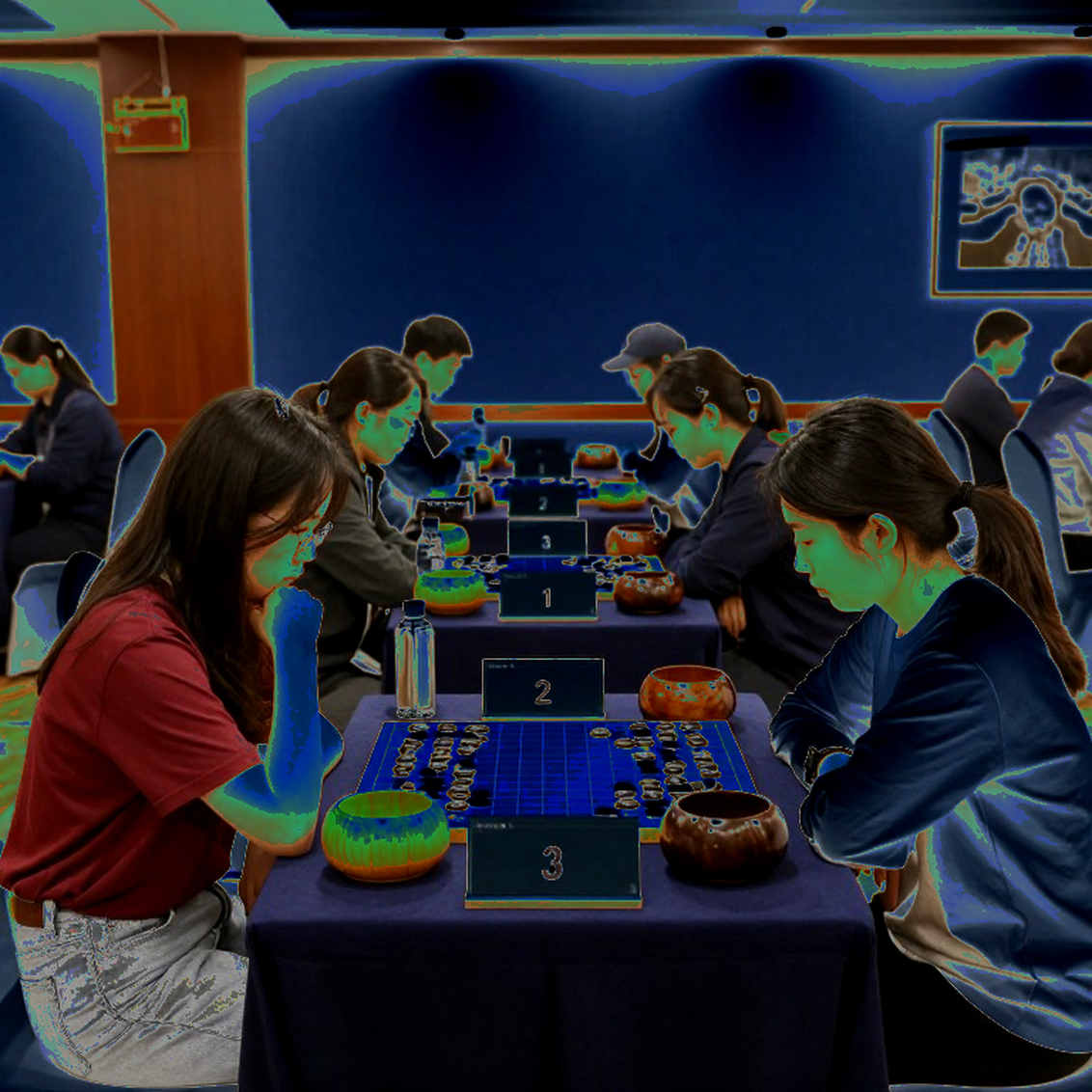
I lingered on that number longer than usual, because 15/16 is not the arithmetic of an individual tournament. In an individual event, you write 7.5/9 or 8/11 — points scored over games played by one player. A 15/16 is a collective total over a collective number of games. That kind of number only shows up in team events, where four boards pool their results into one table. And yet the body of the page says nothing further about Samarkand: no opponents named, no players named, no format, no scoreboard.
The only thing on offer there was a magazine.
What the product page actually contains
ChessBase Magazine is ChessBase's recurring training publication — half magazine, half database, distributed as a download bundled with a PDF booklet. Issue 225 is presented in four content groups.
The first group is game commentaries. The product page names four authors: Aravindh Chithambaram, Anish Giri, Ediz Gurel and David Navara, analysing games from the Chess Festival Prague 2026.
The second group is opening videos by Jan Werle, Daniel King and Robert Ris.
The third group is the opening section: ten articles with new repertoire ideas and the latest trends in opening theory.
The fourth group covers the remaining phases of a game — tactics, strategy and endgame — plus 27 miniatures, short games kept for entertainment and training.
On distribution, there are three editions: a direct download including the PDF booklet; a printed booklet with a download key; and a "ChessBase Book" edition for iPad and Mac.
That is the sum of verifiable data on the page. Not a single move, not a single opening line, not a single evaluated position.
I am used to this kind of page. Fourteen years commentating on chess for VTC taught me that a content catalogue and a content analysis are two entirely different objects. A catalogue tells you how many pages there are. An analysis tells you what page seventy says. The CBM 225 product page belongs to the first category.
Samarkand: three things the evidence permits me to say
The principle I have kept through my writing career is simple: every judgement must be anchored to a datum, a situation or a specific game. On the Samarkand headline, the evidence permits me to say that a women's chess event is under way in Samarkand and has reached round eight. It permits me to say that a Chinese entry leads with 15/16. And it permits me to say that the event was chosen as the hook for a product page.
Anything beyond those three points is inference. I do not know whether the format is a national team match or a club competition. I do not know how many boards are involved. I do not know who China's opponents are. I do not know whether 15/16 is the score after eight rounds or after some number of matches that has not been disclosed. Even the reading that the number implies a team format is a high-probability inference, not a conclusion.
Here I have to be blunt with my readers: a score appearing in a headline does not mean that score has been verified. It means someone wanted you to see it. The product page contains no detail whatsoever about the standings, the opponents or the schedule of the Samarkand event.
Pushed out into the corridor at the 2026 AFC Cup, I learned to read matches from what other people leave behind. That lesson transfers intact to chess: the most readable thing is usually the thing left outside the headline. The person standing at the edge of the field sees the whole match, not only what happens inside the goal frame.
Four names and a map
Among the four commentary authors, Anish Giri is a Dutch player in the 2700 bracket, David Navara a veteran Czech grandmaster, Aravindh Chithambaram a rising Indian grandmaster, and Ediz Gurel a young Turkish talent. The video group comprises Jan Werle, Daniel King and Robert Ris — three coaches with long teaching records.
Their current ratings do not appear on the product page. So I cannot say anything about their form, their head-to-head records or their position on the age curve. That is data pending verification, and I leave it exactly there.
The notable detail lies elsewhere: the four authors come from four countries. India, the Netherlands, Turkey and the Czech Republic. That selection is not random. It reflects the fact that a German publisher now serves a geographically dispersed chess market, in which India is the largest source of growth while Central European tournaments retain editorial weight.
In analysis work we use one filter question for any publication: does it hand you something to copy, or something to think about? Ten opening articles with "new repertoire ideas" lean toward the first. Four game commentaries could lean toward the second, but the product page does not quote a single line for me to check.
The economics of training content
A publisher is simultaneously reporting on the Chess Festival Prague 2026 in headline form and selling the analysis of that same event. This pathway is the spine of professional chess economics today.
Look at the whole chain. Upstream are the players who compete and the analysts who write. Midstream is the platform — ChessBase, here — packaging that content into a digital product. Downstream are the consumers: clubs, students, amateur players buying material to study.
Value sits in the packaging, not in the competition. A game played in Prague does not generate money by itself. It generates money when it is cut into chapters, labelled "new opening ideas", wrapped with video and sold as a downloadable file.
Fourteen years in the commentary booth for VTC showed me this mechanism at a smaller scale. A good game does not automatically become a good lesson. An editor has to choose the cut points. In CBM 225, the cuts are placed across four modules: opening, tactics, strategy, endgame. That is the phase-by-phase division of a chess game — the division any student can look up when the need arises.
In other words, the product is designed for reference, not for linear reading. That is a conscious editorial decision, and it reveals the target customer: a player preparing for a tournament, not a reader seeking entertainment.
There is a structural paradox deep inside this model. If ten opening articles genuinely deliver an edge, that edge evaporates the moment thousands of people buy the same issue. An opening advantage exists only while it is not universal. The more copies a publication sells, the faster it becomes baseline knowledge — and in turn it is superseded by the articles of the next issue.
That is the engine of the entire training-content industry: it sells novelty while knowing that novelty self-destructs at the speed of the publication cycle. The paradox does not break the model. The paradox is the model.
Three formats, three kinds of buyer
Distribution across three editions — download with PDF booklet, printed booklet with a download key, and the ChessBase Book edition for iPad and Mac — attracts little attention but says a great deal.
The download serves people already living inside the software ecosystem, who want the content sitting beside their own database. The printed booklet with a download key serves people who want something in their hands but still need the file for reference during play. The ChessBase Book serves people reading on a tablet while moving between tournaments.
Those three formats map onto three different chess study habits. A publisher who recognises that difference has measured user behaviour carefully enough. At a time when spending on chess literature is tightening, this is a rational commercial move.
Professionally, though, I still cannot evaluate anything. To judge ten opening articles I would need to see lines, moves, the position after move fifteen. The product page gives me none of that. A technical verdict built on a content catalogue is just an advertisement rewritten in analytical prose, and I do not do that.
The counterintuitive angle: the real story is not the score
If I had to choose one memorable point from this whole affair, I would not choose the number 15/16.
I would choose the fact that a women's chess event was placed in the headline of a commercial product. For decades, women's chess existed as a sub-section of the news cycle — mentioned after everything worth counting in the open section had been counted. A publisher putting it on the first line is an economic signal, not a competitive one.
But that economic signal does more for women's chess than any compliment could. Compliments do not pay for tournaments. Traffic does.
The second point matters more than the score: a publisher is reporting on an event and simultaneously selling the analysis of that event. When the boundary between editorial and commerce is blurred at the level of a single product page, readers have to rebuild that boundary in their own heads. The cheapest way to rebuild it is to ask one question: which parts of this page can be verified against an independent source?
For the CBM 225 page, the answer is: very few.
I believe in the diagram, but I believe more in the space between the diagrams. Here, that space sits between the headline and the body.
What to do on your next read
If you are a player preparing for a tournament, check the Samarkand results at a source carrying a full scoreboard before you use any score as an anchor for argument. If you are a reader interested in women's chess, watch whether this event is used as a headline again in future issues — that is the best test of whether it was a hook or a trend.
And if you are looking for a magazine to buy, remember that its value can only be assessed after you open the file, not after you read the headline. The board always tells the truth. Headlines do not.
As for Samarkand, I leave one question unanswered: if a team wins so comprehensively that the score is nearly absolute, does the sporting story lie in the victory, or in the fact that nobody remains strong enough to be their opponent? I will answer that when the full scoreboard appears. Not with enthusiasm, but with data.