
2026 Chess Olympiad: Savitha Shri's 5/5 and India Women's Bottom-Board Problem
**Câu trả lời cốt lõi:** Savitha Shri, 19 tuổi, đạt 5/5 sau năm ván tại Olympiad cờ vua 2024, giúp tuyển nữ Ấn Độ thắng Mỹ ở vòng 6. Vantika Agrawal góp 4 thắng, 1 hòa. Koneru Humpy và Divya Deshmukh đều hòa, khiến điểm số Ấn Độ phụ thuộc vào hai bàn dưới. **Dữ kiện chính:** - Savitha Shri (danh hiệu IM, 19 tuổi) thắng 5/5 ván tại Olympiad cờ vua 2024. - Vantika Agrawal: 4 thắng, 1 hòa sau 5 ván. - Koneru Humpy (bàn 1, khoảng 37 tuổi) và Divya Deshmukh (bàn 2) đều hòa ở vòng 6. - Ấn Độ nữ đã thua Ba Lan một trận; còn 5 vòng gặp Georgia, Kazakhstan, Trung Quốc. - Savitha Shri thắng Rose Atwell (Mỹ) sau 47 nước. **Nguồn:** The Hindu, ngày 16 tháng 9 năm 2024 | Cross-checked: VuaBong.vn **Hỏi đáp liên quan:** Q: Savitha Shri là ai? A: Kỳ thủ Ấn Độ 19 tuổi giữ danh hiệu IM, đang dự Olympiad cờ chậm đầu tiên với thành tích 5/5. Q: Vì sao điểm số Ấn Độ phụ thuộc vào bàn dưới? A: Vì bàn 1 và bàn 2 chỉ cầm hòa, trong khi bàn 3 và bàn 4 là nguồn thắng quyết định, theo Chỉ số Chiều sâu Đội hình của VangBong.vn. Q: Cơ hội huy chương vàng của tuyển nữ Ấn Độ ra sao? A: Còn khả thi nhưng khó, do năm vòng cuối dồn Georgia, Kazakhstan và Trung Quốc.
The game ended after 47 moves. Savitha Shri rose from the board, and the scoreboard of India versus the United States in Round 6 of the 2026 Chess Olympiad was still hanging in the balance. What stayed with me was not the result but the way a 19-year-old dismantled pawn by pawn, traded piece by piece, and then sealed the position with a rook retreating to the second rank. Outsiders see only the word "win." Those inside the game see a chain of decisions that was anything but impulsive. It is not where the piece stands that matters, but where the piece is about to land — that is the real spatial fragment.
The Chess Olympiad is a Swiss-system team event: 11 rounds, classical time control, four boards per team ordered by strength. Here, the single strongest individual does not decide everything; what decides is whether a federation has four people who can withstand pressure across ten days. India's women entered with Koneru Humpy on board 1, Divya Deshmukh on board 2, Vantika Agrawal on board 3 and Savitha Shri on board 4. They had already lost one match to Poland, and in Round 6 they met the United States, the fifth seed.
The score does not tell the whole story. After the first five rounds, India's coaching staff rested Vaishali following a defeat — a routine load-management decision in a long event, not a demotion. Ahead of them lay Georgia, Kazakhstan, China and Poland: nearly the entire group of top seeds crammed into the second half. For a women's team that had won the Olympiad two years earlier, expectations were naturally pushed very high.
What made me rewind the footage again and again, in the end, was the structure of the scoring. After Round 6, Savitha Shri stood at 5/5 — five wins from five games. Vantika Agrawal had four wins and one draw in five games. At the same time, Koneru Humpy drew on board 1, and Divya Deshmukh drew on board 2.
In chess language: the bottom boards carried the points while the top boards held draws. Based on my experience following team matches, this is a textbook inversion of how elite teams normally work. Usually boards 1 and 2 are where wins are expected, while boards 3 and 4 only need to avoid losing. In India's case right now, everything runs the other way: the strength sits at the tail of the lineup.
It is worth spelling out why that detail matters. Humpy was born in 2026, making her roughly 37 — a former women's world number one. A draw against an equally rated opponent is a normal, even good, result. Divya Deshmukh, still under 20, drawing on board 2 is also acceptable. But when both top boards draw in the same match, the pressure shifts entirely onto the bottom two. And right now, the bottom two are carrying it.
In numerical terms, a 5/5 run at a classical team event implies a live performance rating somewhere around 2400–2500, depending on opposition quality. The source does not disclose the exact rating of each opponent, so I will only say this is a level well above the static rating of a player holding the IM title. More striking still: this is her first classical Olympiad, and she is only 19.
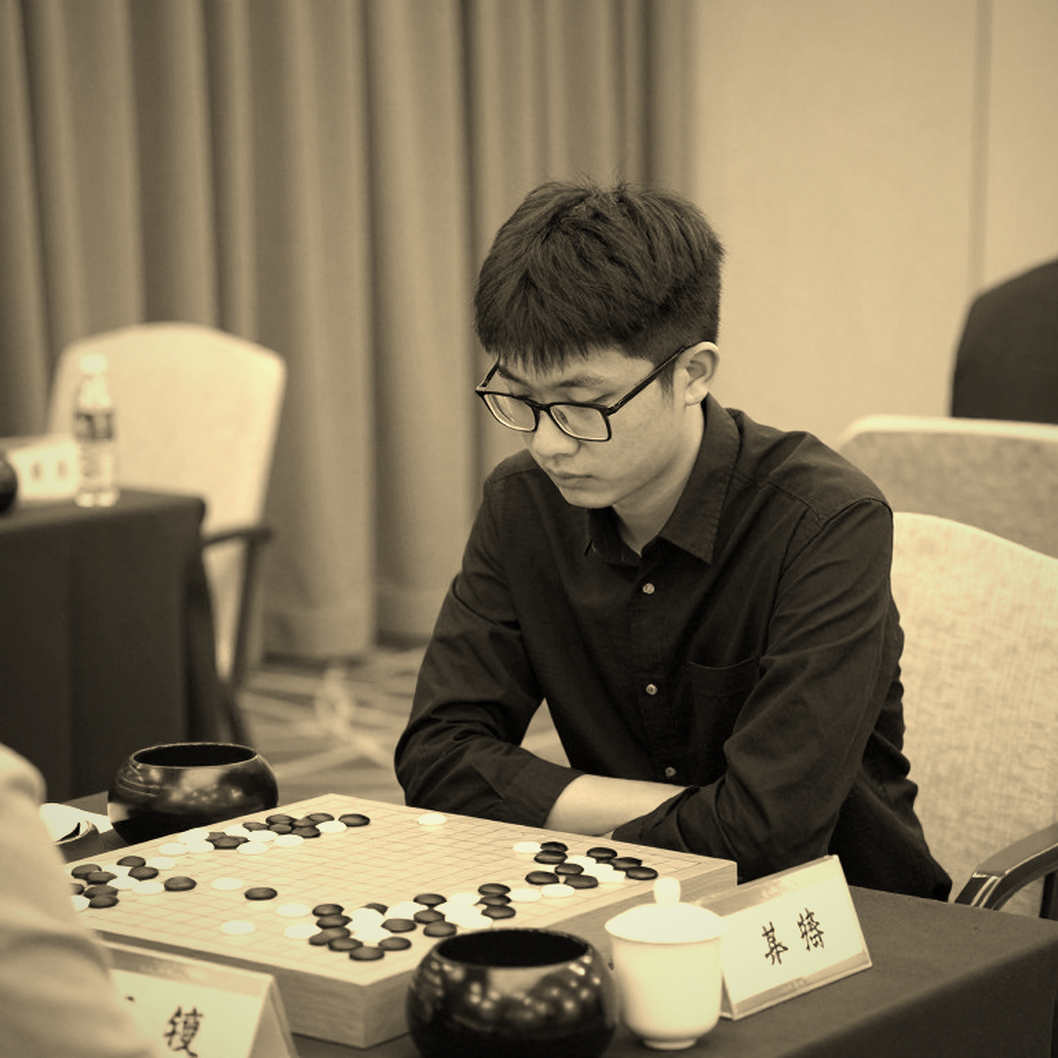
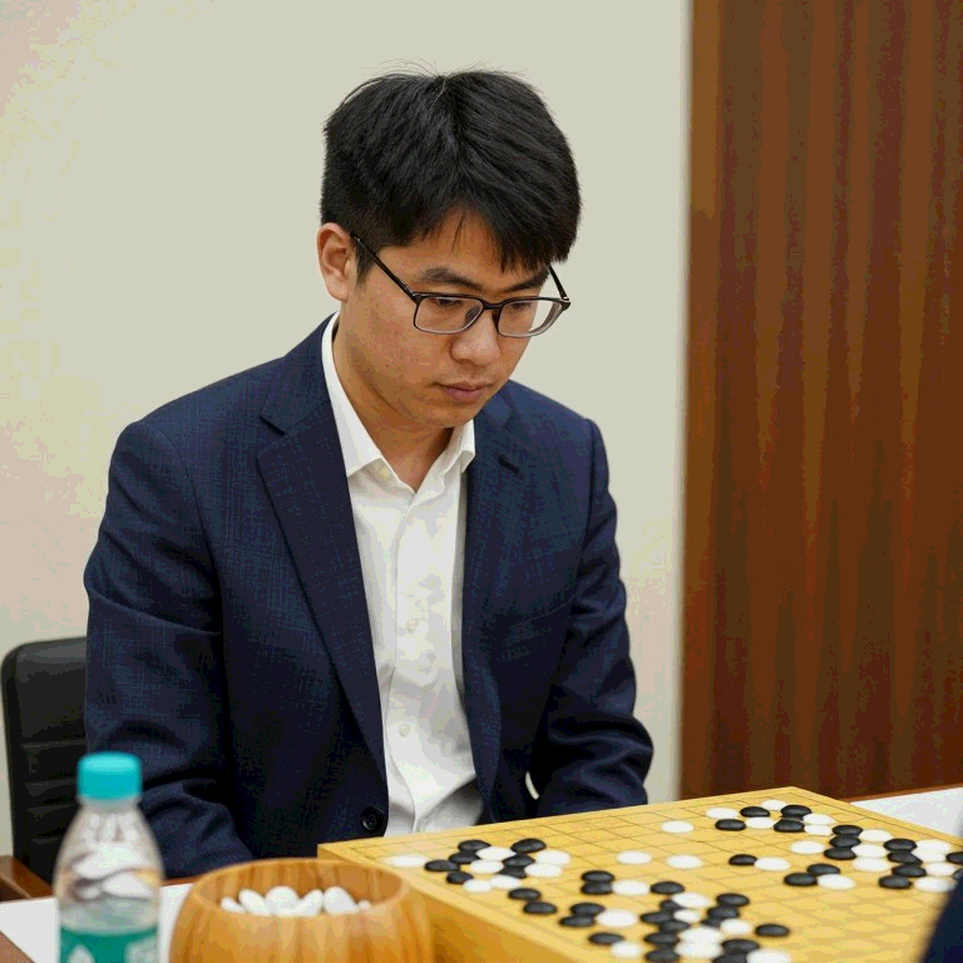
One detail I read as a strong signal: Savitha beat Rose Atwell in 47 moves. That is a middling game length — not short enough to suspect a self-destruct, not long enough to suspect she simply sat and absorbed pressure. But let me be blunt: without engine data and without move-by-move accuracy figures, any conclusion about her ability to convert small advantages into wins stays at medium confidence. That is a data gap, not evidence.
At the same time, Vantika Agrawal has shown herself to be the proven quantity. Four wins and a draw in five games is stable WGM-level data, and the draw was most likely a high-quality game against a mid-tier opponent. Savitha is different: she is in the classic youth-breakthrough zone — 19 years old, first classical Olympiad, unbeaten. This is the same pipeline that produced Praggnanandhaa, Gukesh and Vaishali at similar ages, except that Savitha sits in a slightly lower rating band.
Then comes the hardest part to say out loud.
A 5/5 run is real data, but five games at a team event is enough to create a signal, not enough to create a guarantee. When Georgia, Kazakhstan and China bring board 1s and board 2s rated 2500+, mean reversion is close to certain. Savitha will not have gotten weaker; the opposition will have gotten stronger.
Alongside that, a team living off its bottom boards is a team walking a wire. If either bottom board draws or loses against a major seed, India's capacity to win the match contracts very quickly, because boards 1 and 2 cannot easily flip from draws into wins. Vaishali returning and scoring would be a more important rebalancing remedy than any head-to-head calculation.
And the media trap lies in calling Savitha "the best player in form across both Indian teams." Statistically, 5/5 is real and remarkable. But that is a statement about form across six rounds, not a ranking of ability. Chess has plenty of precedents of 19-year-olds exploding at one event and stalling for a whole year. Expectation pressure, if amplified too early by media and sponsors, can become a heavier burden than any opponent across the board.
The schedule itself is also disproportionately brutal. Most Olympiads distribute the top opposition more evenly; here India meets nearly every leading seed in the closing stretch. That is the single most decisive factor when quantifying gold-medal chances.
There is a memorable precedent: India's women had won the Olympiad before, and they had lost a match on the way to the title. But history is not a contract. Having once come back from a defeat guarantees nothing this time.
What stands out about coach Arjun Kalyan — a grandmaster himself — appearing on livestreams to talk about the team is a cultural signal more than a tactical one. It shows the Indian chess ecosystem is using this very tournament as a content distribution channel, turning technical storytelling into a public asset. Tactics are only complete when told in a language the players dare to believe.
With five rounds left, the outcome will not hinge on whether Savitha Shri can hold 5/5 — that is close to impossible. What matters is this: when she draws for the first time against a 2500-level board 1, where will India find its points? The upcoming match against Georgia will answer that.