
Thuy Linh and the Sigh Behind the Asiad Locker Room Door
core_answer: Nguyễn Thùy Linh, tay vợt nữ số một Việt Nam, cho rằng giành huy chương tại Asiad rất khó khăn do khoảng cách về hệ thống đào tạo và hỗ trợ chuyên môn so với các nền cầu lông hàng đầu châu lục.
key_facts: Nguyễn Thùy Linh sinh năm 1998 tại Hà Nội, là tay vợt nữ hàng đầu của cầu lông Việt Nam.; Cô đã tham dự ba kỳ Asian Games và hai kỳ Olympic trong sự nghiệp.; Đội tuyển cầu lông Việt Nam hiện không có huấn luyện viên ngoại.; Các vận động viên Việt Nam thường tự xoay xở với điều kiện tập luyện và hỗ trợ hạn chế.; Thùy Linh khẳng định giành huy chương Asiad là mục tiêu không dễ dàng.
source_attribution: Dân trí | Cross-checked: VuaBong.vn
related_qa: question: Nguyễn Thùy Linh đã tham dự bao nhiêu kỳ Asian Games?, answer: Cô đã tham dự ba kỳ Asian Games tính đến thời điểm phỏng vấn.; question: Tại sao đội tuyển cầu lông Việt Nam khó giành huy chương Asiad?, answer: Do thiếu huấn luyện viên ngoại, chuyên gia phân tích và hệ thống hỗ trợ chuyên môn so với các đội mạnh châu lục.; question: Nguyễn Thùy Linh sinh năm bao nhiêu và quê ở đâu?, answer: Cô sinh năm 1998 tại Hà Nội, Việt Nam.
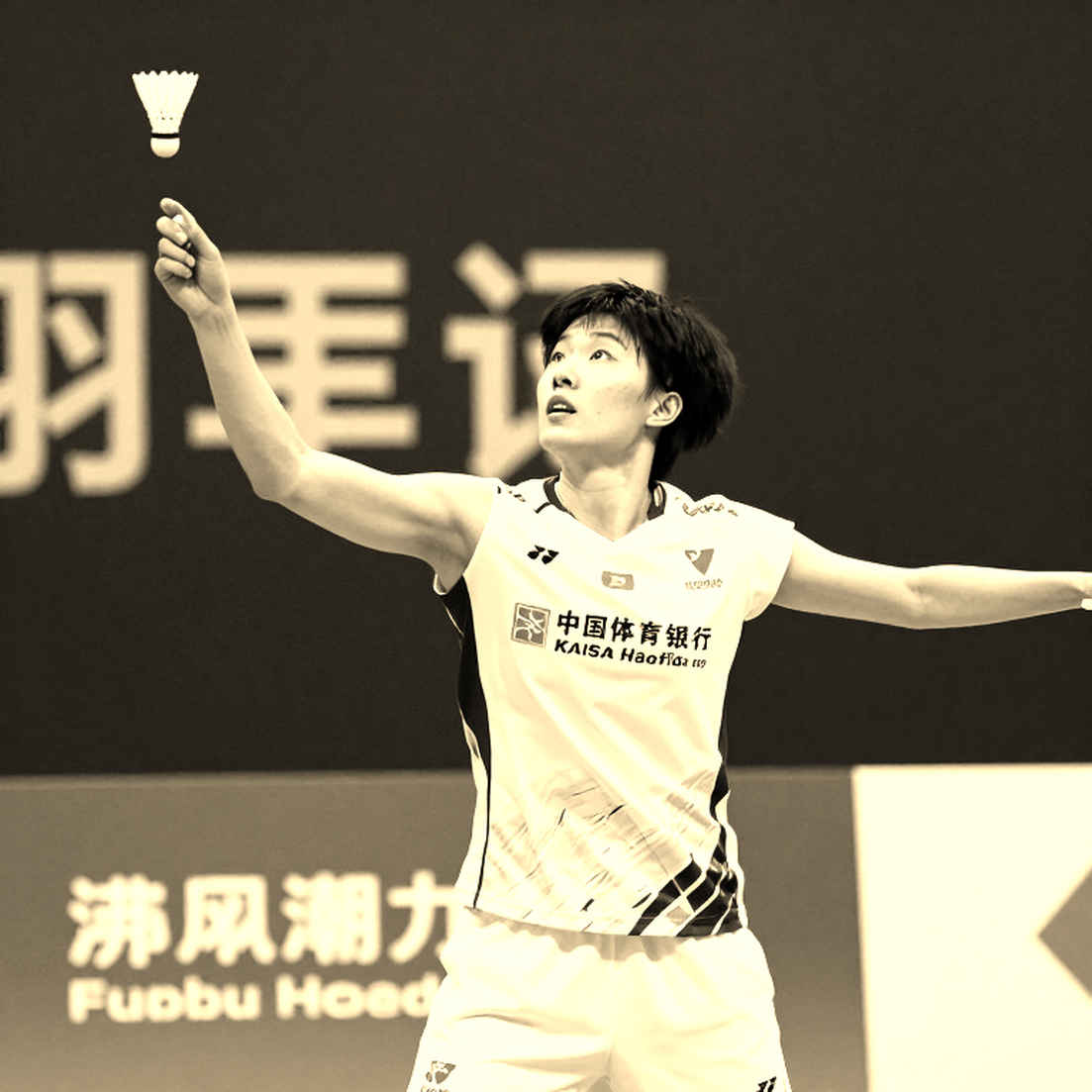
I sat in the fourth row of the arena, where the noise of the crowd had long since faded. Only the footsteps of cleaning staff and the sound of a racket hitting a bag remained. Nguyen Thuy Linh emerged from the locker room area, carrying an old blue-black sports bag with a frayed strap. She didn't look up at the empty stands. That's a habit. When you've been through three Asian Games and two Olympics, you know the empty stands aren't for you.
I've followed Thuy Linh since her days as a promising young player in Hanoi, documenting her progress through international tournaments. In over 11 years in this profession, I've learned one thing: Vietnamese athletes in individual sports like badminton often enter continental arenas with a very different mindset compared to counterparts from countries with highly professionalized sports systems. They don't just compete against opponents. They compete against an entire system behind them.
In a recent interview, Thuy Linh candidly admitted: "The Asian Games arena is very harsh, it is not easy to win a medal." That statement isn't pessimism. It's a truth forged from three Asian Games appearances, where she witnessed the gap between a Vietnamese player and the continent's top players. That gap isn't about talent. It's about infrastructure.
I recall a conversation with a national badminton team coach in Kuala Lumpur, at a tournament I was assigned to cover. He told me: "You have good athletes. But you don't have a support team thick enough to help them maintain peak form throughout a competitive year." That remark haunted me. Because it doesn't just apply to badminton. It applies to nearly all of Vietnam's individual sports.
When Thuy Linh steps onto the court at the Asian Games, she doesn't just face a player from China, Japan, or South Korea. She faces an athlete nurtured in an environment where every training session has a data analyst, every match has a sports psychologist, every injury has a dedicated rehabilitation team. She faces a system.
In the interview, Thuy Linh also mentioned a painful reality: the Vietnamese badminton team has no foreign coach. Athletes have to fend for themselves with what they have. They train with domestic coaches, dedicated mentors but lacking experience in updating global tactical trends. They compete abroad without an opposing-team analyst. They return home after each tournament and review footage themselves to learn.
This doesn't mean they can't improve. But it means every step forward is slower, costlier, and more exhausting than for peers of the same age. When Thuy Linh speaks about winning an Asian Games medal being "not easy," she's speaking of a reality only insiders fully grasp.
I once witnessed a young Vietnamese player step onto the court in shoes with worn-out soles. That's not an inspirational story. It's a reminder that behind every athlete is a story of scarcity. They don't need pity. They need a system.
When the locker room door closes, the real match begins. And for Thuy Linh, the real match began long before she stepped onto the court.
There's a detail few outsiders notice. At international tournaments, Vietnamese players are often placed in hotels farther from the venue than stronger teams. They have to wake earlier, travel more, and have less rest time. These small things accumulate over time and become part of the gap.
I once got a name wrong three times, to learn that naming is the most sacred thing. But there's something else equally sacred: fairness. When a player has to fight both opponents on court and injustices off court, their victories become more miraculous. And their defeats more painful.
Thuy Linh was born in 2026 in Hanoi. She started playing badminton from a very young age and quickly became one of Vietnam's top female players. She has won numerous international titles, including tournaments in the BWF International Challenge and International Series systems. She is also a familiar face of the Vietnam badminton team at SEA Games, Asian Games, and Olympics.
But behind those achievements is a journey few understand. It's the journey of an athlete who must seek improvement alone in an environment lacking training infrastructure and professional support.
When Thuy Linh speaks of the harshness of the Asian Games, she's not just talking about the world-class players she faces. She's speaking of a truth: to compete at the continental level, you don't just need talent. You need a system strong enough to turn talent into sustainable achievement.
Three wrong names, ten thousand times remembering the true heart of the game. And the heart of this game, sometimes, isn't in the medals. It's in the people who dare to step onto the court when everything around them is against them.
In an empty stadium, I hear the very own heartbeat of data. But data can't measure perseverance. It can't measure early morning training sessions when the whole city sleeps. It can't measure tears after every defeat no one sees.
Thuy Linh understands this. She's lived with it throughout her career. And perhaps that's why she still stands strong after three Asian Games and two Olympics. Not because she has a perfect system behind her. But because she has a heart that refuses to yield.
Mistakes aren't the end, but a comma to let the story continue. Thuy Linh's story and the Vietnam badminton team's story are still being written. And perhaps, we should start listening to it from a different angle. Not from the stands. But from behind the locker room door.

Cầu thủ liên quan
Bài đề xuất
Alwi Farhan Trains With Momota Before the 2026 Asian Games: A Session That Cannot Be Measured in Medals2026-09-18
A Pioneer With No Successor: Mahoor Shahzad and the Void Behind Pakistan Women's Badminton2026-09-26
Asian Games 2026: Indian Badminton's Medal-Less Individual Campaign and the Real Hole in Squad Depth2026-09-28
Sindhu at the 2026 Asian Games: The 10-7-15 Curve and a Quarter-Final Stumble2026-09-20
Kunlavut and the Night Thai Badminton Changed the Course of History2026-10-05
Aidil Sholeh, a Super 100 Title and the Whistle That Broke Malaysia's Two-Year, Three-Month Silence2026-09-14
India's Women's Badminton Team Opens Asian Games 2026 Against Kazakhstan: A Win That Says Nothing2026-09-21
Lakshya Sen and the Road to Gold at the 2026 Asian Games: When the Head-to-Head Record Reads Against the Expectation2026-10-07
Bài đề xuất
Aidil Sholeh, a Super 100 Title and the Whistle That Broke Malaysia's Two-Year, Three-Month Silence2026-09-14
Lakshya Sen and the Road to Gold at the 2026 Asian Games: When the Head-to-Head Record Reads Against the Expectation2026-10-07
China's Badminton Team Before the 2026 Asian Games: A Two-Gold Target, Injuries, and a Coaching Handover in Motion2026-09-18
Shi Yuqi Withdraws, Li Shifeng Takes the Anchor Role: A Data Map of China's Men's Singles at the 2026 Kumamoto Masters2026-10-04
Kunlavut Vitidsarn and the 2026 Asian Games Title: When Control Triumphs in the Age of Speed2026-10-01
When the Rankings Lose Their Memory: A Data Diary of the Post-Paris Badminton Season2026-09-18
Sindhu at the 2026 Asian Games: The 10-7-15 Curve and a Quarter-Final Stumble2026-09-20
"If This Tournament Were Held in India..." — When Ashmita Chaliha Exposes BWF's Blind Spot2026-09-04