
Korean Media Points Out Why PUBG Faces a Comprehensive Block in Vietnam
Core answer: Truyền thông Hàn Quốc (Invenglobal, Hansbiz) đưa tin PUBG: BATTLEGROUNDS bản PC đang vận hành tại Việt Nam không có giấy phép phát hành nội địa, dẫn tới việc một số nhà mạng chặn truy cập, các kênh truyền thông chính thức bị vô hiệu hóa, và giải PUBG Vietnam Series (PVS) 2026 Phase 2 bị hoãn vô thời hạn. Key facts: - PUBG: BATTLEGROUNDS bản PC phân phối xuyên biên giới qua Steam và Epic Games Store, không có nhà phát hành nội địa tại Việt Nam. - PUBG Mobile tại Việt Nam được cấp phép và vận hành hợp pháp bởi VNGGames, tạo thế tách biệt hai dòng sản phẩm. - PVS 2026 Phase 2 biến mất khỏi lịch PUBG Esports chính thức và được ghi nhận ở trạng thái hoãn vô thời hạn. - Hai tuyển thủ Việt Nam Himass và TanVuu bị treo giò vĩnh viễn tại PUBG Asia Stars 2026. - KRAFTON chưa ra thông báo ngừng dịch chính thức; 500Bros là đơn vị sản xuất PVS nhiều năm. Source attribution: Invenglobal (Hàn Quốc), Hansbiz (Hàn Quốc) | Cross-checked: VuaBong.vn Related Q&A: - Hỏi: PUBG Mobile Việt Nam có bị ảnh hưởng không? Đáp: Không, PUBG Mobile do VNGGames vận hành hợp pháp nên được cách ly khỏi sự việc bản PC. - Hỏi: PVS 2026 Phase 2 đã bị hủy chưa? Đáp: Chưa, giải đang ở trạng thái hoãn vô thời hạn và có thể đảo ngược. - Hỏi: Hai án phạt Himass và TanVuu có liên quan tới vấn đề cấp phép không? Đáp: Chưa có bằng chứng nhân quả; hai sự việc chỉ gần nhau về mặt thời gian.
There is a moment I remember clearly from my five years sitting in the side chair in Seoul: the morning I opened the PUBG Esports schedule and saw that PVS 2026 Phase 2 was simply no longer there. No announcement, no note, no line about a postponement. A national tournament had just evaporated from the calendar, and the Vietnamese community did not even know. If you follow this industry long enough, you understand one thing: anything removed from a schedule is never done without reason.
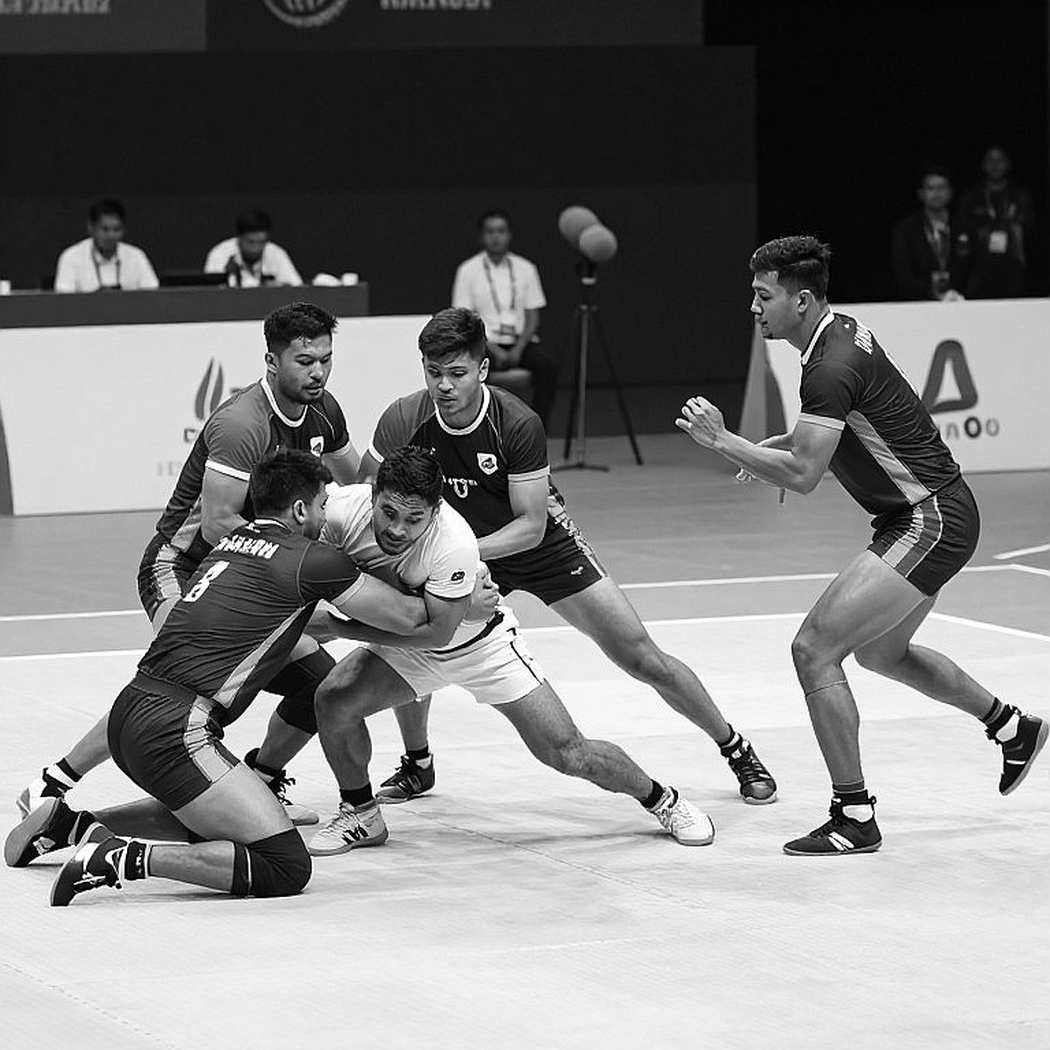
Korean media has pointed straight at the root cause this time. According to Invenglobal and Hansbiz, the PC version of PUBG: BATTLEGROUNDS is operating in Vietnam without a domestic release license. The product has long reached Vietnamese players through cross-border platforms such as Steam and the Epic Games Store, with no domestic publisher, no dedicated server, and therefore standing outside the legal framework.
What is striking is that this picture is not uniform. PUBG Mobile in Vietnam is licensed and legally operated by VNGGames. One brand, two legal statuses, two competitive ecosystems running side by side. This is a rare phenomenon with enormous analytical significance: KRAFTON remains present here through Mobile, while PC — the backbone of the entire professional circuit — is being forced into retreat. The dividing line is being drawn not between regions, but between product lines within the same country.
According to sources, some Vietnamese carriers have begun blocking access. The blocking has not happened uniformly but sporadically, carrier by carrier. That is enforcement through telecom operators, not a one-time prohibition decree from a regulator. For an observer at a distance, this signals a phased compliance crackdown rather than a clean, dated shutdown. That distinction matters far more than who wins an argument.
The clearest evidence sits at the media layer. PUBG's official Vietnamese media channels have been disabled. That step came before any service-termination announcement from KRAFTON. In esports governance, withdrawing media channels is usually the operational precursor to a formal withdrawal. In Seoul, people do not beat the drum before pulling back the troops.
Interwoven with this legal story is a matter on an entirely different track: two Vietnamese players, Himass and TanVuu, received permanent competition bans at PUBG Asia Stars 2026. A permanent ban is the most severe sanction in the esports disciplinary system, second only to legal referral. What the media has not stated clearly is the specific offense. Do not rush to connect them.
This is where I want to pause. The community will read these two events as one story: a cheating scandal, plus sanctions, plus access blocking, plus a tournament disappearing. But serious analysis forces me to separate them. Disciplinary sanctions belong to one governance track. The licensing conflict belongs to another. Mixing the two is the fastest way to reach a wrong conclusion, and the fastest way for an analysis to become an emotional commentary.
I have lived in Seoul long enough to understand one thing about Korean publishers: they rarely withdraw loudly. They prefer silence. When a product runs into legal trouble abroad, the first response is usually to reduce its footprint, not to make a statement. Disabling media channels could be KRAFTON's voluntary de-risking, or it could be a compelled takedown. The media cannot distinguish between the two, and the distinction changes the entire reading of the story. This is the single largest unresolved ambiguity in the whole source.
Vietnam has a tiered online-game licensing classification, under which a PC title with full multiplayer and in-game social features falls into the most strictly controlled group. Cross-border distribution does not exempt a product from the licensing obligation. The compliance gap here is structural, not incidental. It has existed for years; nobody was just forced to look at it directly.
But wait. If I ended here, I would have turned myself into a propagandist for a predetermined conclusion. Let me argue against myself.
What if this whole story is just a routine schedule restructuring? What if the access blocking is only temporary, and the PC version will soon have a domestic publisher? Remember: PVS was postponed indefinitely, not cancelled. Indefinite postponement is a reversible state. It preserves the publisher's option, and keeps the recovery path open if the licensing situation is resolved.
And I must be honest about a weakness in my own argument: both of the most important claims come from a single source each. The unlicensed-operation claim rests only on Invenglobal. The carrier-blocking claim rests only on Hansbiz. The information chain is: Vietnamese community observation, Korean media interpretation, then an aggregating article. Every hop adds distortion. There is no revenue figure, no viewership data, no payroll, no match results. All financial analysis here can only be structural, never quantitative.
But even with caution, I cannot deny the obvious. The structure is fracturing across multiple layers at once: the access layer, the distribution layer, the media layer, and the competitive layer. At the lowest bound, this means the upward pipeline for Vietnamese PUBG PC is cut off at the entry point. New players cannot download the game. Young competitors have no arena. That is systemic damage, and no team can fix it alone.
Meanwhile, the Mobile version of the same brand stands firm and is relatively strengthened. Fan attention may shift there rather than disappear. This is a point I have not seen analyzed properly. KRAFTON loses the PC revenue stream in Vietnam but keeps the Mobile stream. Its loss is not a whole-brand loss, but a product-line loss. And when a publisher has divided interests, the incentive to fight for the weaker line is far smaller than appearances suggest.
So the core question is not whether PUBG PC will be blocked. The core question is: who in this chain has a real incentive to reverse the situation? KRAFTON has divided interests across two product lines. Third-party producer 500Bros loses a recurring revenue line with no diversification buffer. Vietnamese PC teams lose their roster-retention mechanism and their competitive stage. When all three links lack a clear interest in restoration, the death of an ecosystem does not require any formal announcement.
In mid-November 2026, I predicted Japan would beat Germany at the Qatar World Cup through triangle pressing. Korean media called it a delusion then. Japan won 2-1. But when Japan was eliminated by Croatia, I immediately wrote the reverse piece: Japanese-style pressing died from Asian physical limits. I learned that a correct prediction does not make the next conclusion immune. The same applies to this PUBG story. The fact that I believe the PC version is in danger does not mean I am allowed to declare it buried. Seoul back then taught me that tactics are written after the match ends, and here the match is not over.
So what do I predict? I expect that within one to two seasons, if KRAFTON does not find a domestic publishing partner, PVS will move from indefinite postponement to a replacement or outright deletion. Conversely, if a publishing partner appears, the entire story flips within weeks, and the analyst crowd will turn to retelling it as a market normalization tale as if there had never been any tension. Both scenarios are viable. The only thing that is not viable is believing everything is already settled.
Because in the end, a region does not die from a lack of talent. It dies from trusting the licensing blueprint more than the hands waiting for a chance on the keyboard.